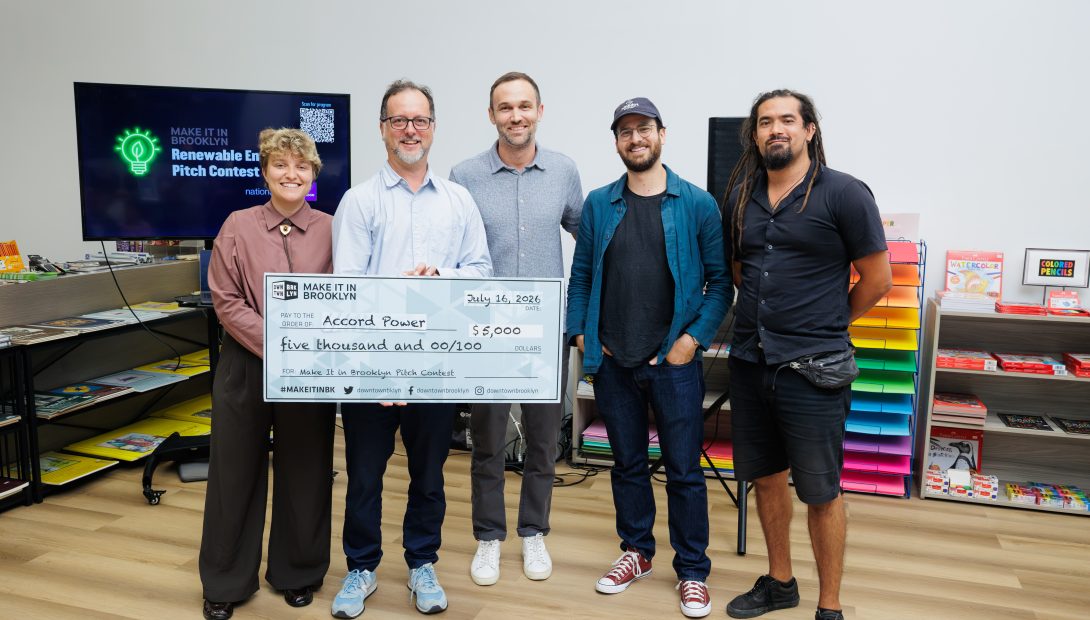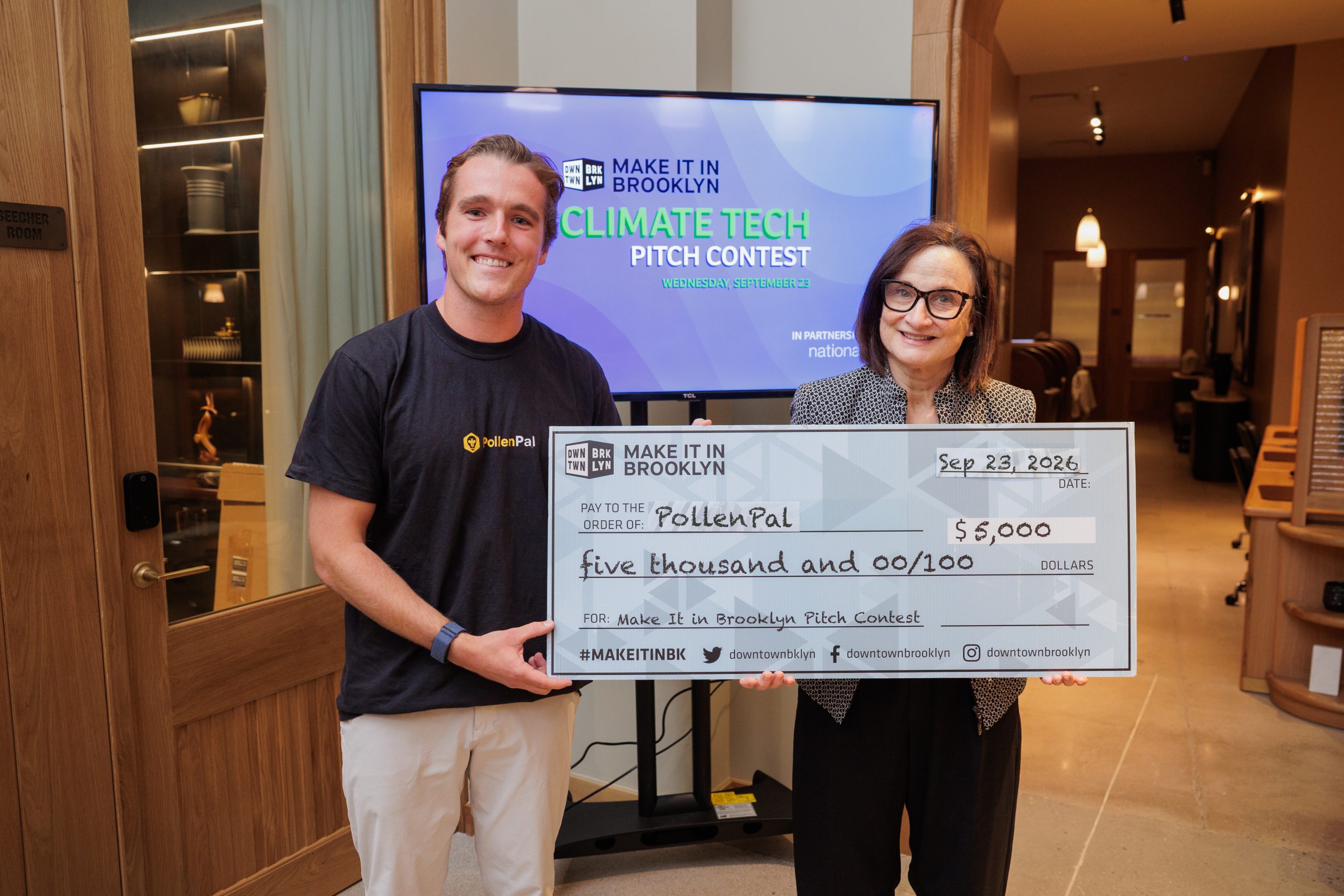
What does an AI-powered beehive have in common with an edible hydration product, a new way to recycle composite materials, stronger wind turbines, and software that can shift AI computing to when the grid has more capacity?
They were all competing for the same thing: the top prize at Downtown Brooklyn Partnership’s Make It in Brooklyn Climate Tech Pitch Contest.
The five finalists took the stage during NYC Climate Week, each with just three minutes to make the case for their technology, their market, and why their solution could make a difference.
The first pitch, from PollenPal, immediately put the stakes in human and environmental terms. The company is using AI-powered sensors and computer vision to help beekeepers spot problems inside their hives before they become bigger problems. The founders described one pilot in which PollenPal detected a yellow jacket infestation, allowing a beekeeper to intervene before it spread through the rest of the operation.
That pitch also set the tone for what followed: these weren’t just ideas on a slide. The judges wanted to know how the technologies would actually work in the field, and whether the businesses behind them could scale.
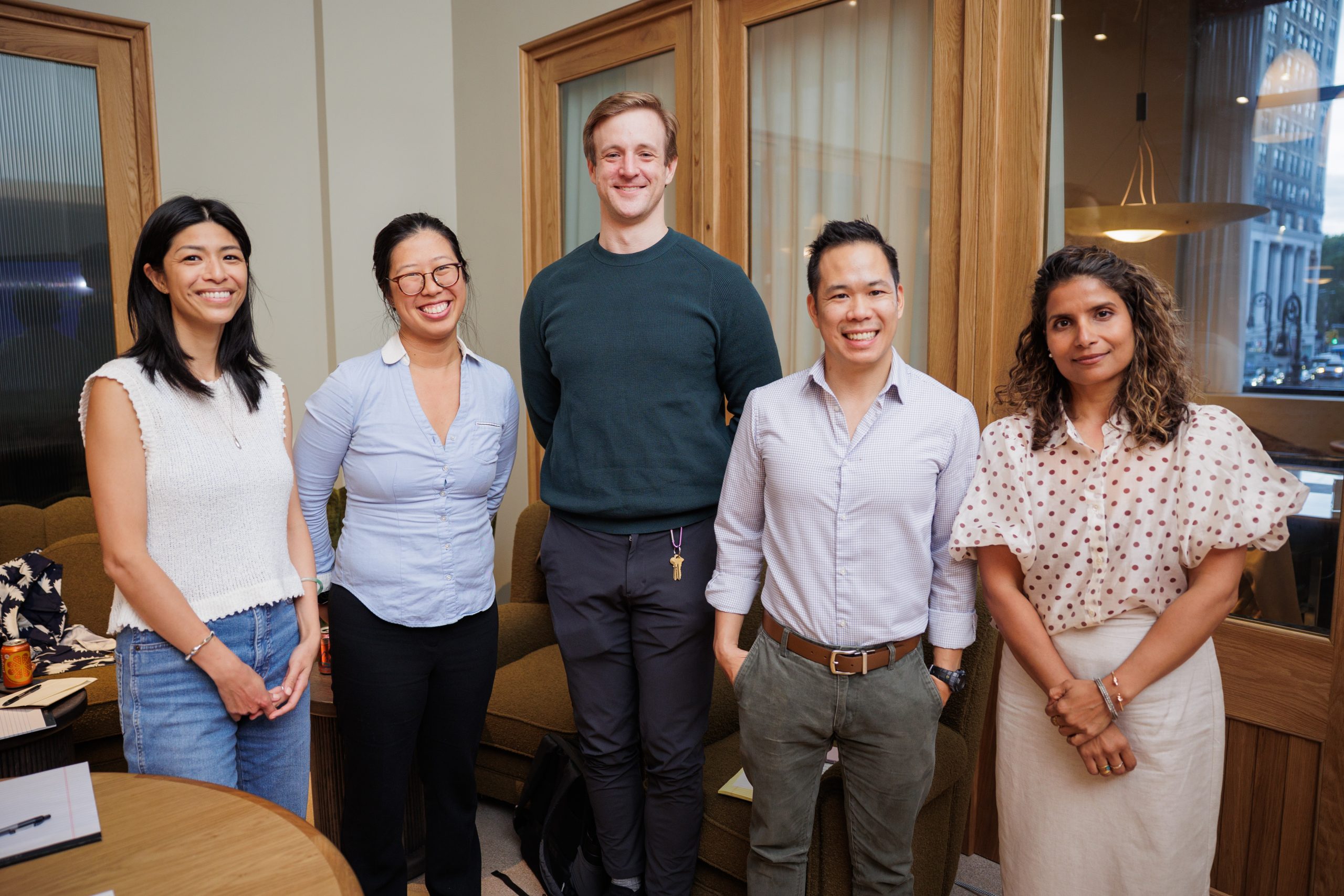
The judges from left to right: (?), (?), Colter Miller, Nicholas Ng, and Shivika Arora
For HiFIT, that meant questions about how its weld-treatment technology could be deployed across wind turbines and how the company would work with turbine owners and developers. Novara Tech faced questions about the practical dimensions and development of its mobile recycling technology for composite waste. Kooola, which is developing an edible alternative to the single-use cups used at races, fielded questions about everything from food safety and shelf stability to manufacturing and whether the product could really fit into existing race operations.
By the time AtmosOne AI took the stage, the conversation had shifted to one of the newest pressures facing the energy system: AI itself. The company pitched software that can identify computing workloads that don’t need to happen immediately and shift them to times or locations where energy is more readily available.
Then came the questions.
The judges pressed the founders on pricing, customer acquisition, deployment, manufacturing, competition, technology validation, data security and the realities of getting customers to adopt something new. For PollenPal, the discussion turned to how the company would move from its initial commercial beekeeping customers to a much larger market, how its AI models are trained, the cost of deploying its hardware, and how easily thousands of devices could be installed across a commercial operation.
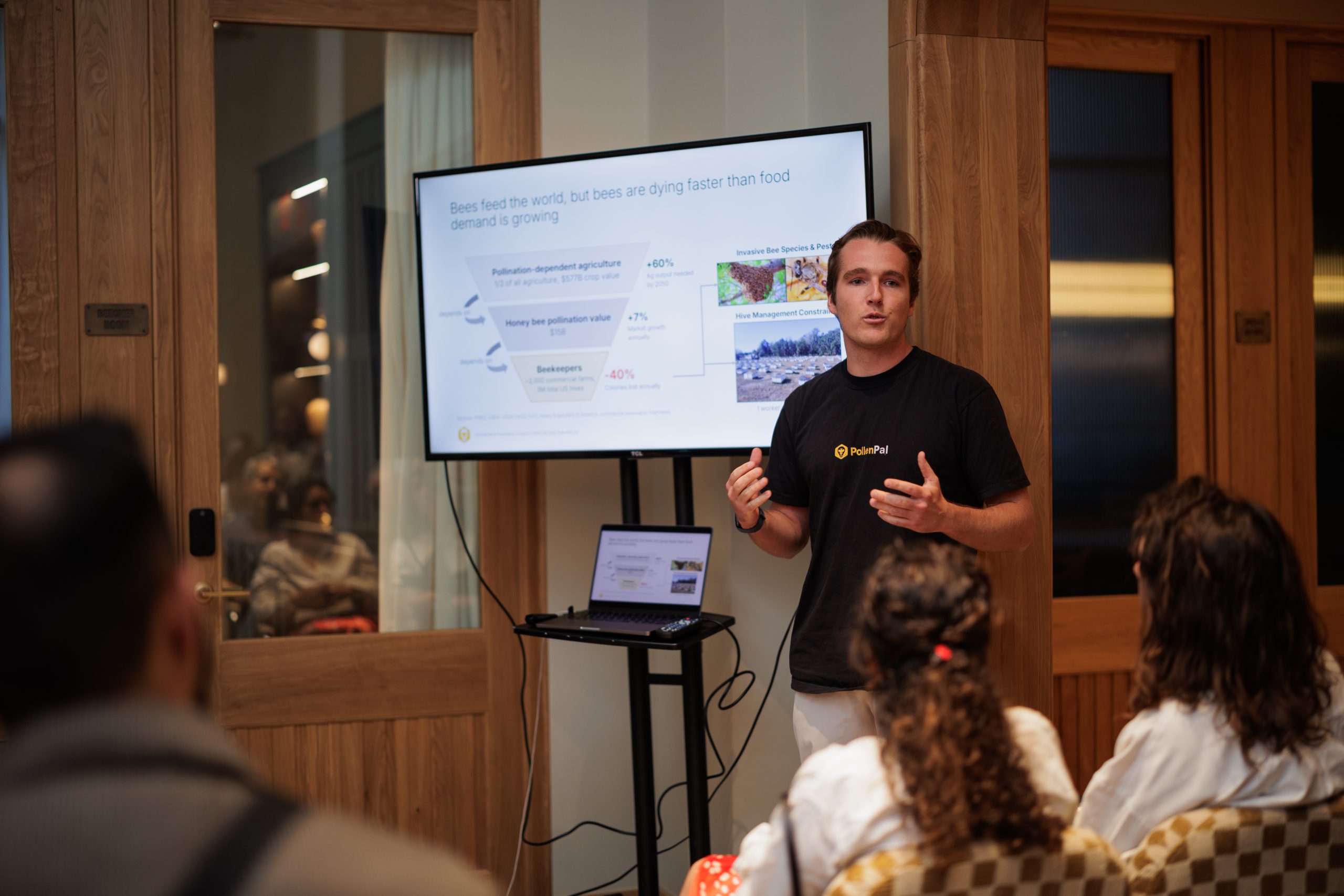
Winner PollenPal gives a presentation on their product
After the final pitch, the five judges, Judy Chang, Shivika Arora, Colter Miller, Nicholas Ng, and Angela Ng, stepped away to deliberate. PollenPal was named the winner of the 2026 Make It in Brooklyn Climate Tech Pitch Contest.
The win recognized a pitch that combined a clear climate challenge with a technology already being tested in the field and a business built around a problem that has consequences far beyond the individual beekeeper. PollenPal is starting with hive management, but its founders see the technology as a foundation for addressing the broader challenges facing pollination and agriculture.
The evening ended with a celebration of all five founders, and a reminder that climate technology doesn’t fit into one category. At The Malin that night, climate solutions meant protecting bees, extending the life of wind infrastructure, keeping composite materials out of landfills, rethinking how runners hydrate, and finding smarter ways to power the AI boom.
Thank you to our partner National Grid, The Malin for hosting, and to our judges for their time and thoughtful questions, and to all five finalists for bringing their ideas to Downtown Brooklyn during NYC Climate Week.